Best carpet cleaning near New Southgate station Osidge
If you are searching for the Best carpet cleaning near New Southgate station Osidge, you are probably dealing with one of three things: a stubborn stain, a carpet that looks tired far too quickly, or the simple feeling that the room no longer smells as fresh as it should. Happens all the time. Busy homes, shoes coming in from the street, pets, children, coffee spills, all of it adds up. And near a station area, there is often a bit more foot traffic, more grit, and more wear than people expect.
This guide walks through what good carpet cleaning actually looks like, how the process works, which methods suit different carpets, what to avoid, and how to judge value rather than just chasing the cheapest quote. If you want a clearer picture before booking, you are in the right place.
Table of Contents
- Why carpet cleaning in this part of Osidge matters
- How the cleaning process works
- Key benefits and practical advantages
- Who it is for and when it makes sense
- Step-by-step guidance
- Expert tips for better results
- Common mistakes to avoid
- Tools, resources and recommendations
- Law, compliance, standards, or best practice
- Options, methods, or comparison table
- Case study or real-world example
- Practical checklist
- Conclusion
- Frequently asked questions
Why Best carpet cleaning near New Southgate station Osidge Matters
Carpet cleaning is not just about making fibres look brighter for a day or two. Done properly, it helps maintain the feel of a room, reduces the dull, flattened look that builds up over time, and removes the kind of embedded dirt that vacuuming can only shift so much. Near New Southgate station, that matters because the local rhythm tends to bring more outdoor debris indoors. Tiny particles of dust and grit act a bit like sandpaper underfoot. You do not always see the damage, but you do notice the effect after a while.
In family homes, the biggest frustrations are usually spills, pet mess, and that slightly stale smell that seems to hang around after damp weather. In rental properties, it is often about presentation and handover standards. In small offices or commercial spaces, the issue is more practical: carpets take a battering and start to look neglected faster than hard flooring. Truth be told, a carpet can make a room feel cared for or slightly forgotten, and people notice that faster than you might think.
There is also a comfort factor. Freshly cleaned carpet feels softer underfoot and can make a room feel noticeably calmer. Not glamorous, perhaps, but very real. And if you are weighing up local providers, the best service is usually the one that understands both the practical job and the limits of the carpet itself. A good cleaner should tell you what is possible, what is not, and what result is realistic before they start.
How Best carpet cleaning near New Southgate station Osidge Works
Professional carpet cleaning usually starts with inspection. That means checking the fibre type, the condition of the pile, any visible staining, high-traffic areas, and whether the carpet is wool, synthetic, blended, or something more delicate. This matters because one method does not suit everything. A robust synthetic office carpet can handle more aggressive agitation than a wool rug laid in a front room, for instance.
Next comes pre-treatment. That is where the cleaner applies the right solution to loosen soil, oils, and stains before the main clean. If there are pet marks or a stubborn spill, targeted stain removal may be needed before the deeper clean. This is one of those stages people rarely see, but it often makes the biggest difference. Skip it, and the results can feel a bit underwhelming.
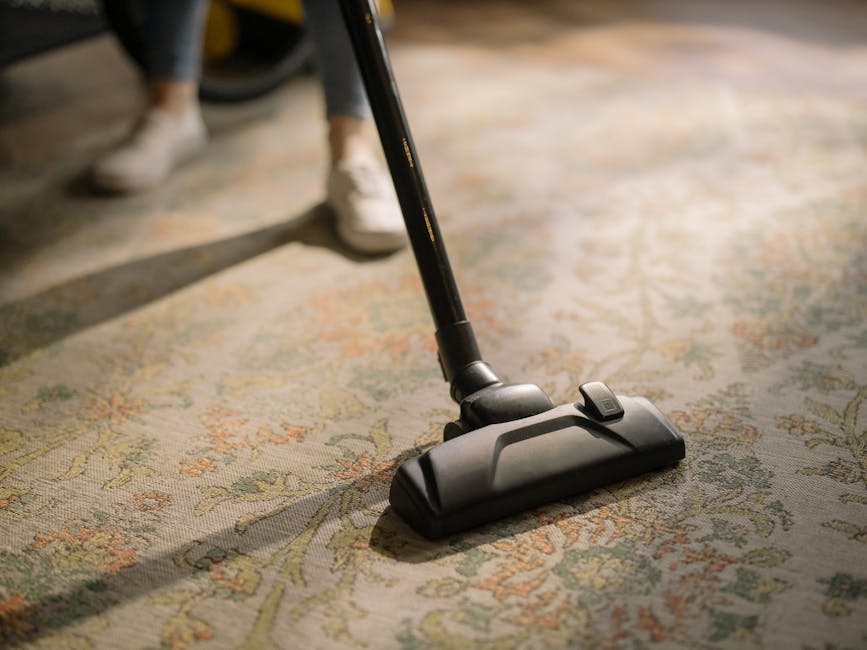
The main cleaning method is often steam-based hot water extraction, though not every carpet is suited to the same approach. With steam carpet cleaning, hot water and cleaning solution are applied to the carpet and then extracted along with loosened dirt. The aim is not to soak the carpet; the aim is controlled moisture and effective extraction. Too much water, and you are into long drying times and possible issues. Too little, and the dirt stays put. Simple in theory. Less simple in real life, as anyone who has ever tried to clean a hallway in winter will know.
After cleaning, the carpet is groomed or brushed in some cases to help the fibres stand upright and dry evenly. Drying time depends on the carpet type, ventilation, and how much cleaning was needed. A sensible cleaner should explain aftercare clearly, including when it is safe to walk on the carpet and whether furniture can be moved back right away or should wait a bit.
Key Benefits and Practical Advantages
The strongest reason to book professional carpet cleaning is not vanity. It is value. A well-maintained carpet lasts longer, looks better, and feels better to live with. Here are the main gains people usually notice.
- Better appearance: carpets regain colour, texture, and shape, especially in walking routes and doorways.
- Improved freshness: trapped odours from food, pets, smoke, or moisture are reduced rather than masked.
- Longer carpet life: removing abrasive dirt helps slow wear in the pile.
- More comfortable rooms: clean carpet changes the atmosphere of a room quickly, especially in bedrooms and lounges.
- Better presentation: useful for landlords, tenants, office managers, and anyone getting a property ready for visitors.
There is another benefit that does not always get mentioned: confidence. When the carpet looks and feels clean, you stop scanning it for marks every time someone comes round. That sounds small, but it matters. A lot.
Who This Is For and When It Makes Sense
Professional carpet cleaning is useful for more people than you might expect. It is not only for badly stained carpets or end-of-tenancy panic. In fact, the best time to clean is often before the carpet looks genuinely bad.
Homeowners often book after a spill, after winter, or before guests arrive. Hallways, stairs, and living rooms tend to show wear first, especially in busy households. If there are pets, the need is even more obvious. Fur, dander, and the occasional accident all build up, and once odour gets into the underlay, regular vacuuming will not solve it.
Renters and landlords usually care about restoring a clean, neutral finish. A professionally cleaned carpet can make a flat feel looked after rather than patched together. It is not magic, but it helps a lot when you are preparing for check-in, inventory, or viewings.
Small businesses and offices often need cleaning to keep a professional impression and to reduce the greyed-in look that appears on paths between desks, reception areas, and meeting rooms. Commercial carpet cleaning is especially useful where visitor traffic is regular and first impressions matter. If that is your situation, the page on commercial carpet cleaning is worth a look.
Households with mixed furnishings may also benefit from cleaning other soft items at the same time. A sofa, rug, or curtains can hold onto the same dust and odours as the carpet. Pairing services often makes the whole room feel more complete. You can explore sofa cleaning, rug cleaning, and curtain cleaning if you want the room to feel consistently fresh rather than half-done.
Step-by-Step Guidance
If you are booking a carpet cleaner for the first time, the process becomes much easier when you know what to expect. Here is a straightforward way to think about it.
- Assess the carpet honestly. Note the stains, traffic lanes, odours, pet issues, and any areas that feel rough or matted.
- Check the fibre type if possible. Wool and synthetic fibres behave differently. If you are unsure, ask before any treatment starts.
- Request a clear quote. A proper quote should explain what is included, not just give you a single number and a hopeful smile.
- Ask about the cleaning method. Hot water extraction, dry cleaning, and spot treatment all have different uses.
- Prepare the room. Move small items, vacuum lightly if advised, and make sure access is clear.
- Discuss problem areas upfront. Old stains, pet odours, and furniture marks should be identified before cleaning begins.
- Allow proper drying time. Open windows where practical, keep pets and children off the carpet, and avoid replacing heavy furniture too soon.
That is the basic flow. Nothing exotic. But it does help to ask a few direct questions before anyone starts spraying solution around your sitting room at 9:00 on a Tuesday morning. Better to be clear upfront than disappointed later.
Expert Tips for Better Results
After enough carpet cleans, the pattern becomes obvious: the best results usually come from preparation and restraint, not brute force. Here are the things that make a real difference.
- Treat stains early. The longer a spill sits, the more likely it is to bond with the fibre. Fresh marks are always easier than old ones, always.
- Vacuum thoroughly before cleaning. Loose grit can turn into a muddy residue if it is left in place during wet cleaning.
- Be realistic about old damage. Some stains lighten, some vanish, and some simply improve. A good cleaner should explain the difference.
- Ask about odour treatment. If the issue is pet-related, standard cleaning alone may not be enough. Consider pet stain odour removal where needed.
- Use the right cleaning frequency. A hallway in constant use needs attention more often than a spare bedroom. The carpet will tell you, in its own slightly gloomy way.
- Protect the drying phase. Open airflow helps, but too much rushing around before the fibres settle can leave footprints and patchy areas.
Expert summary: the best carpet cleaning is not just about powerful equipment. It is about correct fibre assessment, sensible moisture control, and honest expectations. If those three are right, results are usually far better.
Common Mistakes to Avoid
A lot of carpet-cleaning disappointment comes from small mistakes rather than big failures. Some are easy to avoid once you know what to look for.
First, do not assume every carpet can be cleaned the same way. Wool, synthetic, loop pile, cut pile, and blended carpets all respond differently. Using the wrong method can leave residue, distortion, or unnecessary wear.
Second, avoid over-wetting. A carpet that stays damp for too long can smell musty, and in some cases the underlay can be affected. Good extraction and airflow matter more than people think.
Third, do not hide problem stains. If the cleaner does not know about a mark, they cannot pre-treat it properly. That sounds obvious, but it gets missed surprisingly often. The same goes for pet accidents, old drink spills, and previous DIY cleaning attempts.
Fourth, do not choose only on price. Very low quotes can mean rushed work, limited equipment, or extras added later. Price matters, of course, but value matters more. If you want a proper comparison, the service details on carpet cleaning and the guidance on pricing and quotes are a sensible starting point.
Fifth, do not walk on the carpet too early. Light foot traffic may be fine after a period, but heavy use before drying is complete can flatten fibres and leave impressions. Patience. Not exciting, but useful.
Tools, Resources and Recommendations
You do not need to become a carpet technician to make a smart booking, but a few basics help.
- Vacuum cleaner with strong suction: useful for pre-cleaning and keeping carpets in better condition between visits.
- Microfibre cloths: handy for immediate spill response before a stain settles in.
- Gentle spot treatment approach: blot, do not rub. Rubbing can spread the stain and damage the pile.
- Room ventilation: a simple but effective way to support drying after cleaning.
- Furniture protection pads: useful when items need to go back onto the carpet after cleaning.
For people comparing services, it also helps to look at the company's supporting information, not just the headline service. Pages such as about us, insurance and safety, health and safety policy, and payment and security can tell you a lot about how seriously a provider handles the job. That may sound a bit dry, but it is the stuff that separates a smooth appointment from a messy one.
Law, Compliance, Standards, or Best Practice
Carpet cleaning is a practical service, but it still sits within normal UK expectations around consumer transparency, safe working, and fair trading. You do not need to become a legal expert, though it helps to know the basics.
At a minimum, a reputable provider should be clear about what is included, what may cost extra, and how they handle access, cancellations, and complaints. Good practice also means using suitable products, handling equipment safely, and respecting the property being cleaned. If pets, children, or vulnerable adults are present, caution matters even more. Strong smell, residual moisture, and slippery floors are all worth thinking about.
Insurance is another sensible check. Not because you expect something to go wrong, but because professional cleaners should be prepared for the unexpected. It is perfectly reasonable to ask how the company handles safety and liability before booking. The page on insurance and safety is relevant here, and for service expectations there are also the terms and conditions and complaints procedure.
Recycling and responsible disposal may not be the first thing people think of, but it is part of good practice too, especially where packaging, waste water handling, or replacement materials are involved. If sustainability matters to you, the page on recycling and sustainability is worth reviewing.
Options, Methods, or Comparison Table
Different carpets need different approaches. The best cleaner will match the method to the material and the level of soiling, rather than forcing one technique onto every job.
| Method | Best for | Strengths | Watch-outs |
|---|---|---|---|
| Hot water extraction | Most domestic and commercial carpets | Deep soil removal, strong freshening effect, useful for traffic lanes | Needs controlled drying and correct fibre assessment |
| Targeted stain treatment | Spills, marks, and localised problem spots | Good for specific issues before full cleaning | Not every stain can be fully removed; some are permanent or partly set |
| Low-moisture or dry-focused cleaning | Delicate situations or fast turnaround needs | Shorter drying time, less water use | May be less effective on heavy soiling or old embedded dirt |
| Odour treatment | Pet mess, mildew-like smells, lingering household odours | Addresses smell at source rather than masking it | Needs accurate diagnosis of the cause |
If you are deciding between methods, ask a simple question: what problem are we actually trying to solve? Appearance? Odour? Hygiene? Drying speed? The answer changes the best method. That is the bit many pages skip, and it really matters.
Case Study or Real-World Example
A typical local scenario goes like this. A household near the station has a light-coloured carpet in the living room and hallway. Over time, the hallway develops a darker track where shoes come in from outside, and a pet starts leaving a faint odour near the doorway. Nothing dramatic. Just enough to bother the people living with it.
The first step is inspection. The cleaner checks the carpet fibre, identifies the main traffic areas, and spots the source of the odour. A general clean alone would likely improve the appearance, but the odour area needs separate attention. Pre-treatment is applied, then the main clean follows with careful extraction. In the hallway, the pile lifts noticeably. The living room looks lighter, and the room smells fresher. Not perfumed. Just cleaner. There is a difference.
What made the biggest difference was not any single miracle product. It was the order of work: identify, pre-treat, clean, extract, and dry properly. That sort of methodical process is boring in the best possible way. It works.
In another common situation, a landlord wants the flat ready for new tenants and needs the carpet to look as neutral and presentable as possible. A full clean, plus the right attention to stains, usually does the trick better than trying to hide marks with furniture. To be fair, people do try that. It never quite convinces anyone.
Practical Checklist
Use this checklist before you book. It saves a lot of back-and-forth later.
- Identify the rooms or areas that need cleaning.
- Note any stains, odours, or pet accidents.
- Check whether the carpet is wool, synthetic, or blended.
- Ask which method is being recommended and why.
- Confirm what the quote includes.
- Ask about drying time and aftercare.
- Check insurance, safety information, and terms.
- Ask how delicate items and furniture will be handled.
- Make sure access is clear on the day.
- Plan ventilation and low foot traffic after cleaning.
Quick takeaway: the best booking is not the one with the flashiest promise. It is the one that answers the practical questions clearly and gives your carpet the right treatment for its condition.
Get a free quote today and see how much you can save.
Conclusion
Finding the best carpet cleaning near New Southgate station Osidge is really about choosing a service that understands the carpet in front of you, not just the postcode. Good cleaning should improve appearance, freshness, and comfort without making unrealistic promises. It should be careful with fibre types, honest about stains, and clear about drying and aftercare.
If you compare methods, check the supporting information, and think beyond price alone, you are much more likely to end up with a result that feels worth it. And when the carpet comes up clean, the whole room seems to breathe a little easier. Simple, but lovely.
That fresh, just-cleaned feeling is hard to beat, and honestly, it makes home feel like home again.
Frequently Asked Questions
How often should carpets be professionally cleaned?
For many homes, once or twice a year is a sensible rhythm, but busy households, homes with pets, and high-traffic areas may need attention more often. The right timing depends on use, not just the calendar.
Is steam carpet cleaning safe for all carpets?
No, not automatically. Steam or hot water extraction works well for many carpets, but some delicate fibres or older carpets may need a lighter approach. Always check the fibre and condition first.
Can professional cleaning remove old stains?
Sometimes yes, sometimes partly, and sometimes not completely. Old stains are harder because they may have bonded with the fibre or changed colour over time. A good cleaner should explain the likely outcome before starting.
How long does carpet cleaning take to dry?
Drying time varies depending on the method used, the amount of moisture applied, the room temperature, and ventilation. In practice, it can range from a few hours to longer. Open airflow helps a lot.
What should I do before the cleaner arrives?
Clear small items, identify stains, and move fragile objects out of the way. If you have specific problem areas, point them out at the start so they can be treated properly.
Is carpet cleaning worth it for a rental property?
Usually yes, especially if you want the property to look cared for and neutral for the next occupant. A clean carpet can improve the overall presentation more than people expect.
How do I know if a quote is fair?
A fair quote should explain what is included, whether stain treatment costs extra, and what method will be used. If it feels vague, ask for more detail. Clear pricing is a good sign.
Will carpet cleaning get rid of pet odours?
It can, but only if the odour source is properly treated. Standard cleaning may reduce smell, while pet-specific treatment is better for deeper issues. If the smell has reached the underlay, a more targeted approach may be needed.
Can I walk on the carpet straight after cleaning?
It is best to limit foot traffic until the carpet has dried properly. Light use may be possible sooner, but heavy traffic too early can flatten the pile and leave marks. A little patience helps.
What is the difference between carpet cleaning and stain removal?
Carpet cleaning is the broader service: it refreshes the whole carpet and removes general dirt. Stain removal is more targeted and focuses on specific marks before or during the main clean. Both are often used together.
Should I clean carpets and upholstery at the same time?
If the furniture and carpet are in the same room, it often makes sense. Sofas, rugs, and curtains collect dust and odours too, so cleaning them together can give a more even result. It just feels more complete, really.
What should I check before booking any local cleaner?
Look at service information, insurance and safety details, terms, and how complaints are handled. It is also sensible to check whether the company explains its methods clearly and offers a proper quote rather than a rushed guess.